 JimvsSHadmin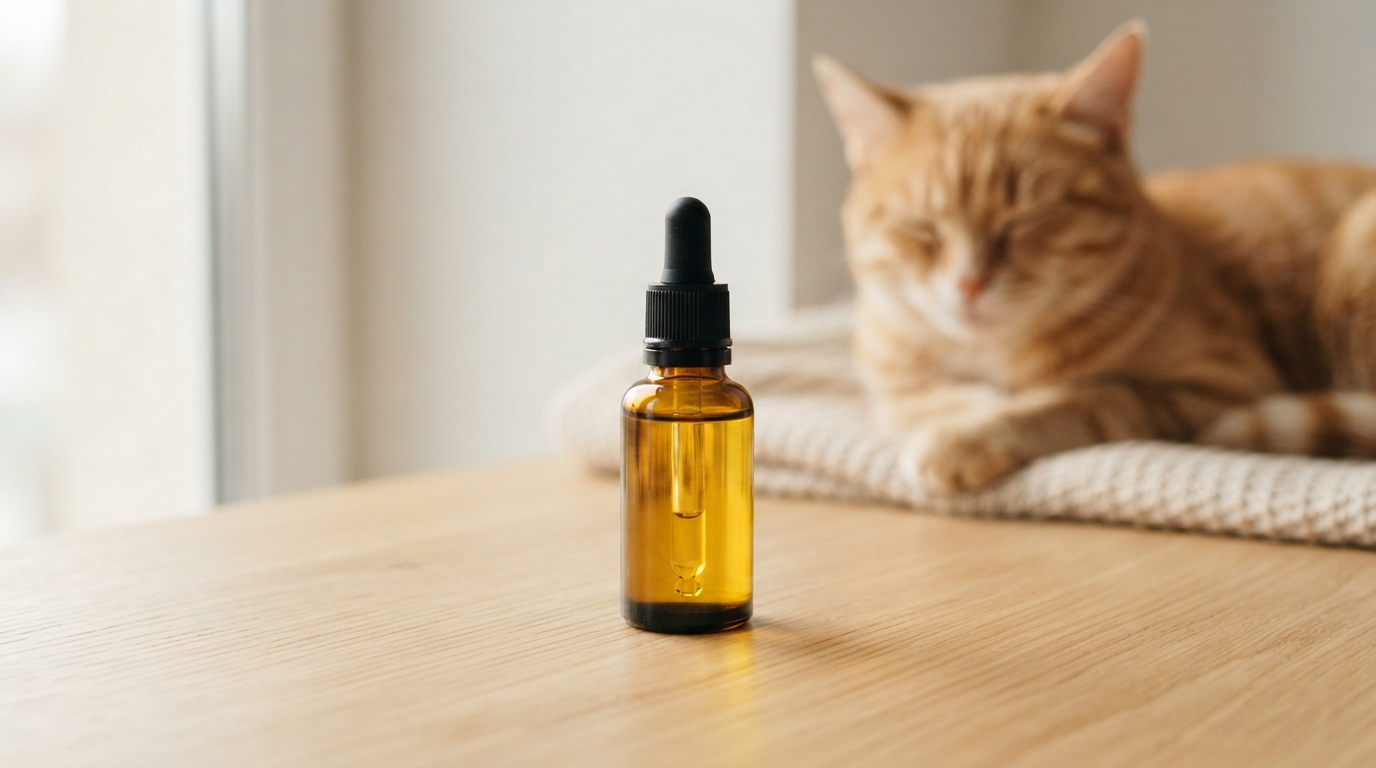
Cats are creatures of routine. A different food, a move, a new animal in the house, or a change in daily activity can sometimes lead to noticeable changes in behavior. When searching for ways to support feline wellness, many owners encounter cannabidiol, commonly known as CBD. The subject has generated considerable interest, yet the information available online varies from carefully documented research to unsupported product claims.
Holistapet CBD Oil for Cats requires a careful approach because feline-specific research remains limited. Understanding what CBD is, how products differ, what current research can and cannot establish, and when veterinary advice is needed can help cat owners make more informed decisions.
What CBD Oil Actually Contains
CBD is a cannabinoid found naturally in cannabis plants. Hemp can also contain CBD and generally contains much lower concentrations of THC, the cannabinoid associated with intoxication. CBD itself is not considered intoxicating in the same way THC is.
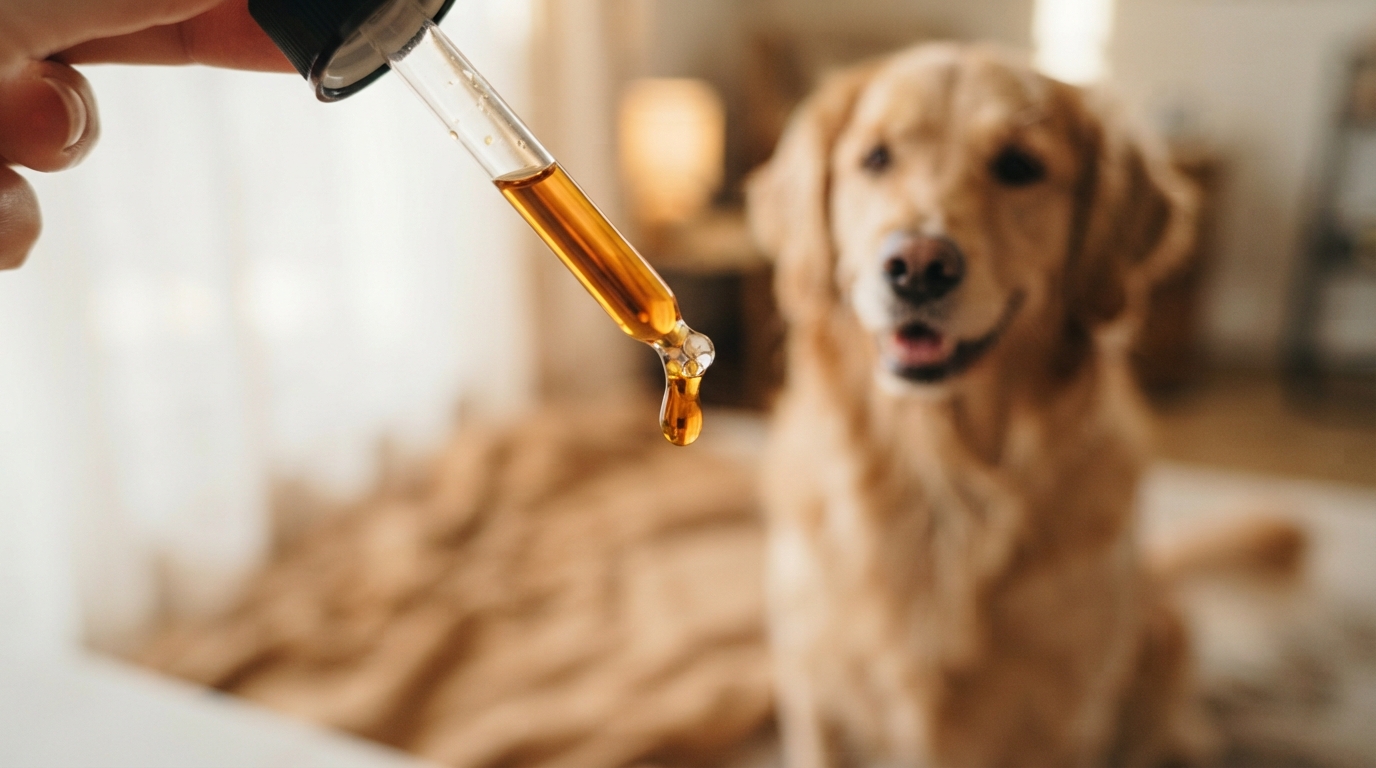
CBD oils sold for pets commonly combine a cannabinoid extract with a carrier oil. The carrier may help distribute the CBD and make the product easier to administer. The exact formula differs between manufacturers, which means two bottles described as CBD oil may have very different compositions.
CBD, Hemp, and THC Are Different Terms
These terms are often used together in advertising, although they describe different things.
Hemp refers to cannabis plants that meet the applicable legal definition for low THC content. CBD refers to a specific cannabinoid. THC refers to a different cannabinoid with intoxicating properties.
A product described as “hemp oil” does not necessarily mean that it contains a meaningful amount of CBD. Hemp seed oil, for example, is produced from hemp seeds and naturally contains very little CBD. Reading the ingredient panel and cannabinoid concentration is therefore more useful than relying on the product name.
THC deserves particular attention around cats. Cats should not be given cannabis products simply because a product contains CBD. A veterinarian should be consulted if accidental exposure to THC or another cannabis product occurs.
Why Cat Owners Consider CBD
Interest in feline CBD products often comes from concerns about everyday behavior or health. Owners may encounter claims involving relaxation, discomfort, mobility, appetite, or general wellness.
Those claims need to be separated from established veterinary treatments. Research involving cats has investigated CBD pharmacokinetics, safety, and tolerability, but evidence supporting specific therapeutic uses remains limited.
A 2019 study published in Animals examined repeated oral administration of CBD in healthy cats. The researchers evaluated how the cats handled the compound and monitored safety-related findings. The study contributed useful information about CBD exposure in cats, but it was not evidence that CBD could treat a particular feline disease.
That distinction matters when reading product descriptions. A study showing that cats absorb CBD does not establish that CBD will resolve a health condition.
Possible Reasons for Interest
Common reasons owners search for feline CBD information include:
- Changes in behavior during stressful situations.
- Interest in supporting mobility in older cats.
- Curiosity about nutritional supplements.
- Questions about hemp-derived ingredients.
- Interest in complementary approaches to veterinary care.
These situations can have very different causes. A cat that hides may be experiencing environmental stress, pain, illness, or a combination of factors. A senior cat that moves less may have arthritis or another medical condition. A supplement should not replace an examination when a behavioral or physical change is persistent.
Reading a CBD Product Label
The label is one of the first places to look when evaluating a product. A clear label should provide enough information to understand the contents and concentration.
Look for the total CBD amount in the container and, when provided, the amount per milliliter. This information allows the concentration to be compared with another product.
For example, two bottles may both contain 30 milliliters of oil. One could contain 300 milligrams of CBD while another contains 600 milligrams. The bottle size alone does not tell the buyer how concentrated the products are.
Important Label Details
A careful review should include:
- Total volume of the bottle.
- Total CBD content.
- CBD concentration per milliliter, when available.
- Full ingredient list.
- Lot or batch identification.
- Manufacturer information.
- Storage directions.
- Recommended handling instructions.
- Laboratory testing information.
A product with a long ingredient list deserves additional scrutiny. Cats have different dietary and metabolic characteristics from people, and an ingredient commonly used in human products may not be appropriate for feline use.
Essential oils are one example that deserves caution. Certain essential oils can be harmful to cats, particularly when exposure is concentrated. A product intended for feline use should therefore be evaluated by its complete formula rather than its CBD content alone.
Understanding Certificates of Analysis
A certificate of analysis, or COA, is a laboratory document that can provide information about a particular product sample. When available, it can help consumers verify cannabinoid concentrations and identify certain contaminants.
A useful COA should correspond to the product or batch being purchased. A generic laboratory document that does not identify the tested batch provides less confidence.
What a COA May Show
Depending on the laboratory and test panel, a report may include:
- CBD concentration.
- THC concentration.
- Other cannabinoids.
- Pesticide screening.
- Heavy-metal testing.
- Microbial testing.
- Residual solvent testing.
Laboratory testing does not automatically prove that a product is effective for cats. It provides information about composition and, depending on the testing performed, certain aspects of product quality.
That distinction is easy to overlook. Purity and effectiveness are separate questions.
What Current Research Can Tell Us
Scientific evidence surrounding CBD in cats is still developing. Some feline studies have focused on pharmacokinetics, which means researchers examine how the body absorbs, distributes, metabolizes, and eliminates a substance.
This type of research is useful because cats can process substances differently from humans and other animals. Results from human CBD research cannot simply be transferred to cats.
A study published in Frontiers in Veterinary Science evaluated the pharmacokinetics and safety of a broad-spectrum hemp extract in cats. Research of this kind can provide information about exposure and tolerability, but it does not establish that every commercial CBD oil will produce the same effects.
Product formulation matters. Extract concentration, carrier oil, additional cannabinoids, and other ingredients can all differ.
Why Human Research Is Not Enough
Human studies may provide background information about CBD, but they do not answer every question concerning cats.
Cats have species-specific differences in metabolism. Their body size, liver enzyme activity, nutritional requirements, and response to certain substances can differ from those of humans.
For that reason, claims such as “proven for humans” should not be treated as equivalent to “proven for cats.” A responsible evaluation should look for feline-specific research whenever possible.
Safety Comes Before Supplementation
A new supplement should not be the first response to a significant change in a cat’s health. Cats often conceal signs of illness, so subtle changes can deserve attention.
A cat that suddenly stops eating, has repeated vomiting, struggles to breathe, becomes unusually weak, or shows severe changes in behavior needs veterinary assessment rather than self-treatment.
Changes that seem minor can also provide useful clues. Reduced grooming, altered litter box habits, increased hiding, unusual vocalization, or reluctance to jump may warrant discussion with a veterinarian, especially if they continue.
Medication Interactions
CBD may affect enzymes involved in the metabolism of certain medications. This creates an important consideration for cats receiving prescription drugs.
The safest approach is to provide the veterinarian with a complete list of medications, supplements, and other products the cat receives. This includes products that may appear unrelated to CBD.
A veterinarian can determine whether additional monitoring or an alternative treatment would be more appropriate.
Introducing a New Product Responsibly
If a veterinarian agrees that a CBD product can be considered, the product should be handled carefully. Following the specific label instructions is preferable to estimating a dose based on information intended for another species.
Keep the original packaging. Record the product name, concentration, batch number, and date opened. These details can become useful if a reaction occurs or if the veterinarian needs to identify exactly what the cat received.
Changes should also be monitored rather than assumed to be caused by CBD.
A simple observation record can include:
- Appetite.
- Water consumption.
- Energy level.
- Litter box habits.
- Vomiting or diarrhea.
- Grooming behavior.
- Mobility.
- Unusual sleepiness.
- Other changes noticed after administration.
The goal is to identify patterns. One unusual behavior does not necessarily establish a connection to a supplement.
Avoiding Common Purchasing Mistakes
A low price does not necessarily indicate poor quality, and a high price does not establish superior quality. Product evaluation should focus on information that can actually be verified.
Avoid making a decision based solely on customer reviews. Reviews describe individual experiences and cannot control for medical conditions, concurrent treatments, dosage differences, diet, or natural changes in symptoms.
Be cautious with products that make broad disease-treatment promises. Claims involving cancer, seizures, chronic pain, infections, or other medical conditions require much stronger evidence than a general wellness statement.
The FDA has also stated that cannabis is not approved for use in animals and that it has not approved cannabis-derived products for use in animals as drugs. Commercial availability should therefore not be confused with veterinary drug approval.
A Simple Evaluation Process
A practical approach can be broken into several steps.
Start With the Cat
Identify why the product is being considered. A specific concern provides a better starting point than a general desire to add a supplement.
Check the Formula
Read the complete ingredient list and determine the actual CBD concentration. Do not rely solely on terms such as “hemp,” “natural,” or “full spectrum.”
Review Testing
Look for batch-specific laboratory documentation. Compare the laboratory results with the product label.
Speak With a Veterinarian
Discuss existing conditions, medications, age, diet, and the reason for considering CBD. This step becomes particularly important for senior cats and cats receiving prescription medication.
Monitor Changes
If supplementation is approved, keep track of the cat’s normal behavior and any new symptoms. Report concerning changes to the veterinarian.
Final Thoughts
CBD research in cats provides useful early information, but evidence for specific therapeutic uses remains limited. Careful label reading, independent testing, attention to ingredients, and veterinary guidance can help cat owners approach these products more responsibly.